Examining the psychological triggers that influence gambling behavior
The Role of Emotion in Gambling
Gambling is often an emotionally charged activity. Players frequently engage in gambling to escape from stress or anxiety, seeking out the adrenaline rush that comes with potential wins. This emotional involvement can cloud judgment, leading players to bet more than they can afford to lose, especially when a visit to mister golden casino is just a click away. The thrill of winning elicits feelings of happiness and excitement, reinforcing the behavior and encouraging further gambling. Emotional highs and lows create a cycle that many players find difficult to break.

Another critical aspect of emotion in gambling is the concept of loss aversion. Research indicates that people tend to experience losses more acutely than equivalent gains, which can lead to a vicious cycle of chasing losses. When players lose, their emotional response may compel them to gamble again, believing they can win back what they have lost. This response is fueled by the desire to alleviate feelings of regret and disappointment, making it a significant psychological trigger.
Additionally, the sense of belonging can influence gambling behavior. Many individuals gamble in social settings or online environments, where camaraderie and shared experiences amplify the emotional stakes. The excitement shared with others can enhance the gambling experience, making players more likely to continue despite potential negative consequences. This social reinforcement serves as a strong psychological trigger, encouraging individuals to gamble more frequently.
The Impact of Cognitive Biases
Cognitive biases are systematic patterns of deviation from norm or rationality in judgment, and they play a critical role in gambling behavior. One common bias is the illusion of control, where gamblers believe they can influence the outcome of games purely based on skill, even in games of chance. This false sense of control leads to overconfidence and an increased likelihood of betting. Players may rationalize their losses by focusing on perceived skill rather than random outcomes.
Another significant cognitive bias is the gambler’s fallacy, which is the belief that past events can influence future outcomes in random situations. For instance, a player may think that after a series of losses, a win is “due.” This belief can lead to continued gambling, as individuals may feel that luck will change in their favor based solely on their previous experiences. Such biases distort reality and lead to poor decision-making regarding gambling.
Furthermore, confirmation bias can also impact gambling behavior. Gamblers may seek out information that supports their existing beliefs about their chances of winning while ignoring contrary evidence. This selective attention reinforces their commitment to gambling, making it challenging to recognize when their behavior may be harmful. Understanding these cognitive biases is essential for addressing gambling addiction and promoting responsible gaming.
The Influence of Technology
Modern technology has transformed the gambling landscape, making it more accessible than ever. Online casinos and mobile apps allow players to gamble anytime and anywhere, removing traditional barriers. This increased accessibility heightens the potential for gambling behavior to escalate, as individuals can place bets with a simple click. The convenience of technology often leads to impulsive decisions, as players may not take the time to consider the consequences of their actions.
The use of algorithms and data analytics further exacerbates gambling behavior. Online platforms often utilize sophisticated systems to analyze player habits and optimize their engagement. Personalized promotions and targeted advertisements can create a tailored experience that keeps players returning, often without their conscious awareness. This constant stimulation can trigger habitual gambling, reinforcing the cycle of behavior that leads to addiction.
Additionally, the social dynamics of technology play a significant role. Features such as live-streaming and multiplayer gaming foster a sense of community among players, which can lead to increased time spent gambling. The presence of social proof—seeing others engage in gambling—can serve as a powerful motivator, normalizing the behavior and making it more acceptable. This technological interplay highlights the complex relationship between gambling behavior and modern advancements.
Understanding Risk and Reward
The relationship between risk and reward is a fundamental psychological trigger in gambling. Many players are drawn to the thrill of risking money for the chance to win larger amounts. This potential for high rewards often overshadows the risks involved, leading to impulsive decisions. The excitement associated with winning can create a dopamine rush, further solidifying the desire to gamble despite the risks. This psychological feedback loop encourages repeated gambling behavior.
The perception of odds is another crucial factor in this dynamic. Many gamblers misunderstand the true odds of winning, often overestimating their chances. This misperception can lead to an irrational belief that they can consistently win, which is rarely the case. Additionally, some games are designed to create the illusion of near misses, where players feel they were close to winning, reinforcing the urge to continue gambling in hopes of achieving success.
Moreover, the concept of variability in outcomes also plays a significant role. Games that offer variable rewards—where the amount won fluctuates—can lead to continued engagement, as players seek the next big win. This variability can create a sense of unpredictability that heightens excitement, making the experience more engaging. Understanding this intricate relationship between risk and reward can provide valuable insights into gambling behavior and its psychological triggers.
Mister Golden Casino: A Case Study
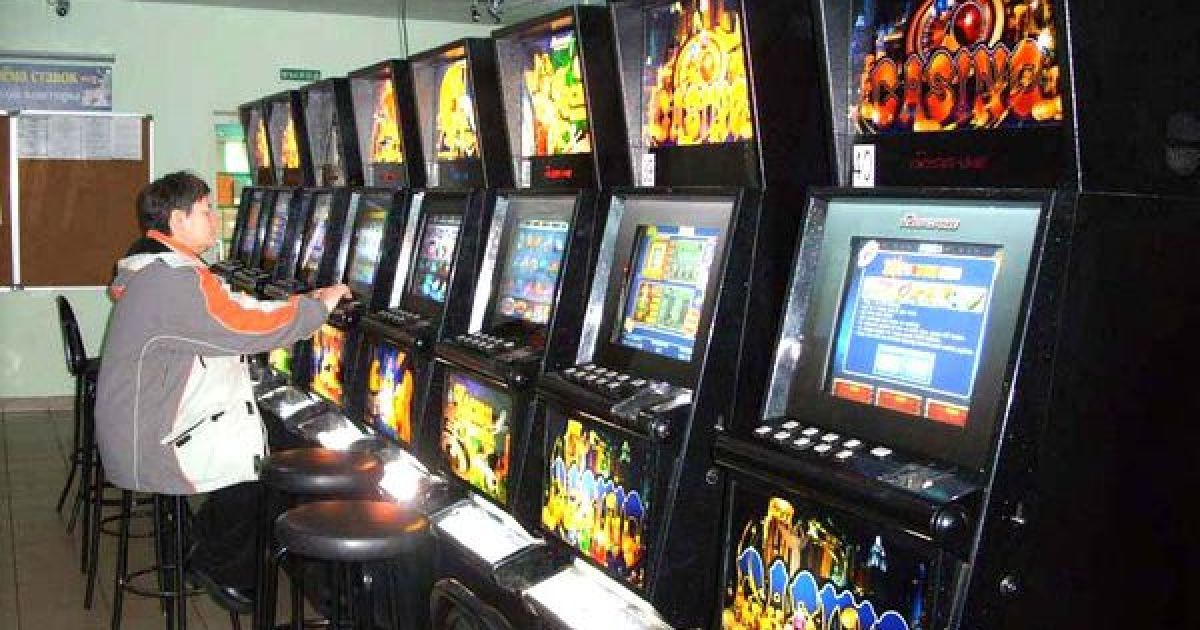
Mister Golden Casino exemplifies the modern gambling experience, showcasing the intersection of psychological triggers and technology. With over 3,000 games available, players are constantly exposed to a diverse range of options that can entice them to gamble more. The platform’s flexible welcome bonus is designed to attract new players, capitalizing on the psychological allure of immediate rewards, which can lead to further gambling behavior.
The site’s commitment to responsible gaming is crucial in addressing the psychological triggers associated with gambling. By offering clear guidelines and 24/7 customer support, Mister Golden Casino aims to create a safer environment for players. This proactive approach helps to mitigate some of the risks associated with gambling, providing players with the resources to make informed decisions.
Furthermore, the seamless integration of technology enhances the gaming experience, drawing players into an engaging world of entertainment. The platform’s user-friendly interface and secure payment options ensure that players can focus on enjoyment rather than technical concerns. This focus on player experience not only boosts engagement but also highlights the significance of understanding psychological triggers in fostering a responsible gambling environment.